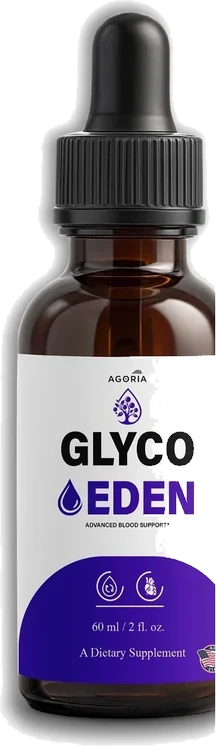
Two of the four ingredients sit in the blood-sugar conversation, and the product’s
name sits there too. So this belongs on the benefits page, because it is the point at
which a reasonable person starts hoping for something the label has not offered.
NCCIH’s guidance, in two halves
“If you have diabetes, talk with your health care provider before taking
a dietary supplement.”
“Don’t take a dietary supplement instead of your diabetes
medicine.”
The same federal page notes that a few dietary supplements, berberine among them,
might help improve blood sugar control, while the evidence remains insufficient for
definitive conclusions. Those statements are not in tension: together they are the
complete picture.
Two more lines worth carrying
NCCIH’s page on dietary supplements and diabetes is blunter still: “It’s
very important not to replace medical treatment for diabetes with an unproven health
product or practice.” And on the herbal supplements it reviews, bitter melon
among them: “research has been limited…and hasn’t proven that any of
these herbal supplements are effective.”
The FDA adds that before buying an unproven product or one with questionable claims,
check with your health care professional. NCCIH adds a filter worth keeping: diabetes
products that sound too good to be true may be scams.
Nothing on the GlycoEden label sounds too good to be true. It says “support” and
carries the footnote. We quote these pages anyway, because the question this product’s
name invites deserves a real answer.