GlycoEden blog
Berberine, Bitter Melon and Ashwagandha: What the Evidence Says
Three federal summaries, read end to end. Two of them contain warnings that belong on the front of a label rather than in a footnote.
On this page
- Three of the four have a federal page
- Berberine: what the pages report
- The berberine warnings, in full
- Bitter melon: studied, not proven
- Ashwagandha: insomnia, stress, and a liver note
- Black pepper extract: no federal summary exists
- Why none of this transfers to this bottle
- The two instructions worth quoting in full
Start here
Three of the four have a federal page
Four extracts are named on this label. Three of them — berberine, bitter melon and ashwagandha — have a plain-language page on a federal health site that we opened and read before writing a word of this. One does not.
What follows reports those pages and nothing else. Where a sentence matters it is quoted rather than paraphrased, because paraphrase is how careful federal wording turns into marketing. Two of the three carry warnings that belong on the front of a label rather than in a footnote, and they are printed here at the same size as the findings.
One thing to hold all the way through: none of this research looked at this product. A page about a plant is not evidence about a bottle, and nothing below should be read as a claim that GlycoEden does anything.
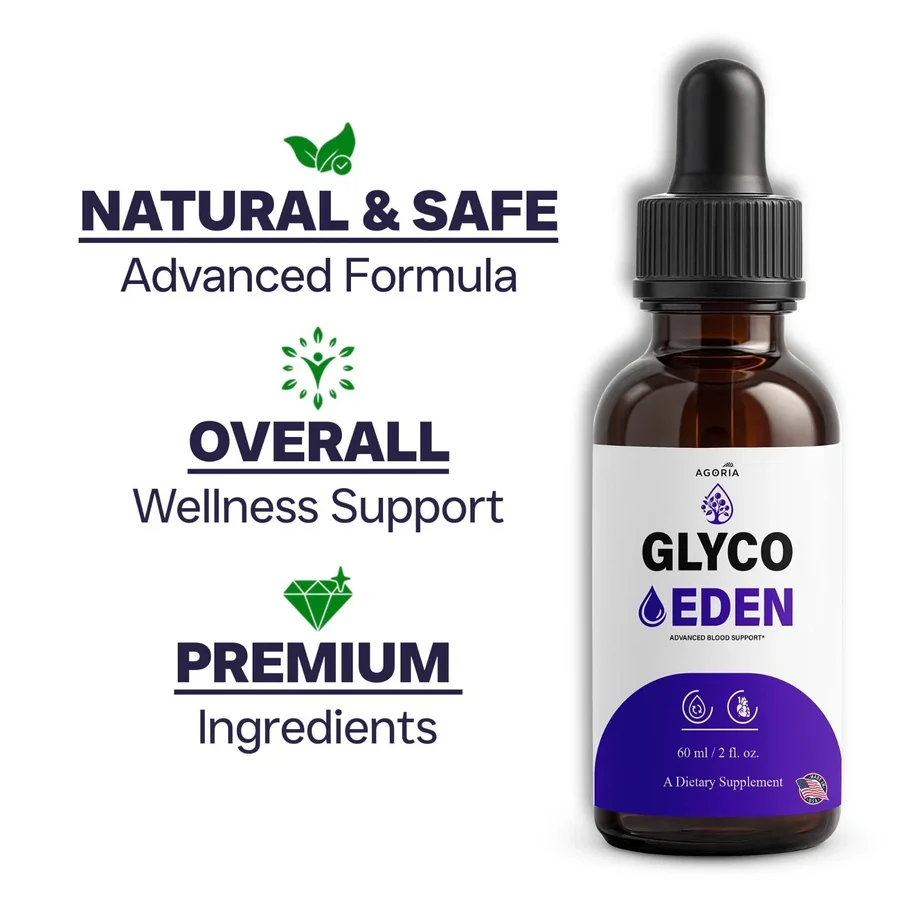
Ingredient one
Berberine: what the pages report
The panel prints “Berberine HCL (Berberis aristata) Extract 30:1 (root) 5%”, first in the blend and therefore its largest share.
What it is
NCCIH describes berberine as “a substance found in a variety of plants, including goldenseal, barberry, Oregon grape, and others”. It is a compound rather than a plant, which is why this label names one species as its source while the research names several.
What the research record looks like
NCCIH reports that berberine “may have a modest effect on lowering blood glucose levels in people with type 2 diabetes and may reduce cholesterol levels”. It also says that plants containing berberine are “currently being studied for its effects on diabetes and risk factors for heart disease”.
Read those sentences exactly as they are built. The first says may, says modest, and names a diagnosed condition in the people it was observed in. The second says the work is ongoing rather than concluded. Neither is about healthy adults, and neither is about this bottle or any other. A separate NCCIH page adds that while a few supplements including berberine might help improve blood sugar control, the evidence remains insufficient for definitive conclusions.
Read this part twice
The berberine warnings, in full
The same pages carry the longest warning list attached to anything on this label, and it belongs beside the finding rather than three sections away from it.
Adverse effects
NCCIH names the most common ones as “abdominal pain, constipation, diarrhea, nausea, and vomiting”. Five effects, all of them digestive.
Medicines, and one named by name
NCCIH states that “berberine might also interact with medicines in negative ways”, and separately that it “has been shown to interact with cyclosporine, a drug used to prevent rejection of transplanted organs”. That is a named, serious interaction, and the reason to read the four names on this label out to a pharmacist before starting rather than after.
Pregnancy, breastfeeding and infants
NCCIH states that “people who are pregnant or breastfeeding should not use berberine, and it should not be given to infants”. A separate page notes that berberine exposure has “been linked to a harmful buildup of bilirubin in infants”, which is the mechanism behind the instruction rather than a second warning.
The bottle’s caution line says pregnant or nursing mothers and children under 18 should consult a physician first. The federal page is firmer, and the firmer one is the one to act on.
Ingredient two
Bitter melon: studied, not proven
The panel prints “Bitter Melon 10:1 Extract”, second in the blend, with no species and no plant part beside it.
NCCIH’s summary of dietary supplements and diabetes lists bitter melon among the herbal supplements that have been studied, and reaches one conclusion about the group: “Overall, research has been limited…and hasn’t proven that any of these herbal supplements are effective.”
That is the whole of it. Not a warning and not a finding — a statement that the work has been limited and has not settled anything. The same page states the broader position: “For most supplements, there isn’t evidence to support a beneficial effect on diabetes or its complications.”
This is the second-largest share of the blend by weight, and the federal record on it is one sentence saying nothing has been proven. That is not a reason to avoid the product. It is a reason not to buy it expecting this ingredient to do something.
Ingredient three
Ashwagandha: insomnia, stress, and a liver note
The panel prints “Ashwagandha Extract 10:1 (Withania somnifera)”, third in the blend.
NCCIH describes it as “an evergreen shrub found in parts of India, Africa, and the Middle East”, containing withanolides “associated with anti-inflammatory and antioxidant effects”.
The evidence
“Research shows that some ashwagandha preparations may be effective for insomnia and stress.” And immediately after: “However, evidence is unclear about its effects on anxiety.” Note some preparations, a narrower claim than the plant name suggests.
Safety
NCCIH states that ashwagandha “may be safe when taken in the short term (up to 3 months)”, which is a boundary rather than a clearance. Side effects may include “drowsiness, stomach upset, diarrhea, and vomiting”.
Liver injury, and four groups
“Although it is rare, there have been a number of cases that link liver injury to ashwagandha supplements.” NCCIH says it should be avoided during pregnancy, and names three further at-risk groups: people about to undergo surgery, people with autoimmune or thyroid disorders, and “people with hormone-sensitive prostate cancer”.
And the honest observation: none of that record is about blood. Insomnia and stress are what the evidence covers, and this is a bottle sold as blood support.
Ingredient four
Black pepper extract: no federal summary exists
The fourth line reads “Black Pepper Extract” and nothing else — no species, no plant part, no ratio.
There is no federal plain-language page for black pepper extract or piperine. We looked, we did not find one, and rather than cite something else and hope the reference passes, this site says so and cites nothing for it.
What that absence means, and what it does not
It means there is no summary to report, so the section that would normally quote a finding and a warning has nothing to quote. It does not mean the ingredient is dangerous, and it does not mean it is safe. Absence of a page is absence of a summary, not evidence either way. Treating a missing page as a clean bill of health and treating it as a red flag are the same error in opposite directions.
What can be said without a source is why the ingredient is there at all: black pepper extract is the industry’s default absorption aid, included to change how much of the other three survives the journey rather than to do anything itself. That is also the reason a pharmacist should see this label if you take prescribed medicine, because something that raises how much of a substance reaches the blood cannot tell which substance you meant.
The gap
Why none of this transfers to this bottle
Three federal pages, and the distance between them and this bottle is larger than most product pages admit to.
Different preparations. The ashwagandha page says some preparations may be effective, tying the finding to particular extracts rather than to the plant. This panel prints a 10:1 extract of unstated solvent. Nothing connects the two.
Unstated plant parts. Only the berberine line names a part — root. The bitter melon and ashwagandha lines name none, and the black pepper line names nothing at all. Research conducted on a named part cannot be lined up against an unnamed one.
200 mg, split four ways. The only amount published on this artwork is a 200 mg proprietary blend shared by all four extracts, with no figure against any single line. One of the four is an absorption aid rather than an active, so the three botanicals the research is about share something less than 200 mg between them, in proportions nobody has printed.
What that leaves you with
Three plants with a federal record, one without, and a label that gives you no way to connect any of it to what is in the bottle. That describes most botanical blends on sale. It also means anybody quoting a study at you about this product has crossed a gap the label itself refuses to cross.
Close
The two instructions worth quoting in full
Two sentences from NCCIH’s page on type 2 diabetes and dietary supplements, quoted in full because shortening either one would change it:
First
“If you have diabetes, talk with your health care provider before taking a dietary supplement.”
Second
“Don’t take a dietary supplement instead of your diabetes medicine.”
They are printed here because this product contains berberine and bitter melon and is sold as blood support — and because nothing on the bottle claims to treat, prevent or manage any condition, and nothing on this site does either. The FDA footnote on the artwork says as much in the regulator’s own words.
The related NCCIH page adds one more line worth carrying: “It’s very important not to replace medical treatment for diabetes with an unproven health product or practice.” If you take prescribed medicine, this bottle is a conversation with your prescriber before it is a purchase.
References
Sources for this GlycoEden post
- National Center for Complementary and Integrative Health. In the News: Berberine. www.nccih.nih.gov. Accessed September 22, 2026.
- National Center for Complementary and Integrative Health. Berberine and Weight Loss: What You Need To Know. www.nccih.nih.gov. Accessed September 22, 2026.
- National Center for Complementary and Integrative Health. Ashwagandha. www.nccih.nih.gov. Accessed September 22, 2026.
- National Center for Complementary and Integrative Health, Diabetes and Dietary Supplements: What You Need To Know. www.nccih.nih.gov. Accessed September 22, 2026.
- National Center for Complementary and Integrative Health. 5 Things To Know About Type 2 Diabetes and Dietary Supplements. www.nccih.nih.gov. Accessed September 22, 2026.
Order GlycoEden from the official page
Liquid drops, 60 ml / 2 fl. oz., 30 servings at the panel’s two-dropper serving. Prices and the money-back window are printed on the listing, and the order desk handles anything after you pay. Before you pay, know that no per-ingredient amount is printed anywhere.
Price and money-back window on the listing · ships from inside the US