GlycoEden blog
What a 30:1 Extract Ratio Actually Means
Thirty parts in, one part out. It is a real piece of information, and most labels in this category never print it at all.
On this page
Start here
Thirty parts in, one part out
A 30:1 extract ratio means thirty parts of raw plant were processed down into one part of finished extract. It is a statement about manufacturing, and it is arithmetic you can run in your head: 100 mg of a 30:1 extract started life as about 3,000 mg of plant material.
That is genuinely useful, and it is rarer than it should be. Most botanical labels in this category print a plant name, sometimes a plant part, and then the word “extract” with nothing after it. The word on its own covers an enormous range — a barely concentrated water infusion and a heavily reduced solvent extract are both extracts — so a label that declines to print a ratio has told you the plant was processed and refused to say how much.
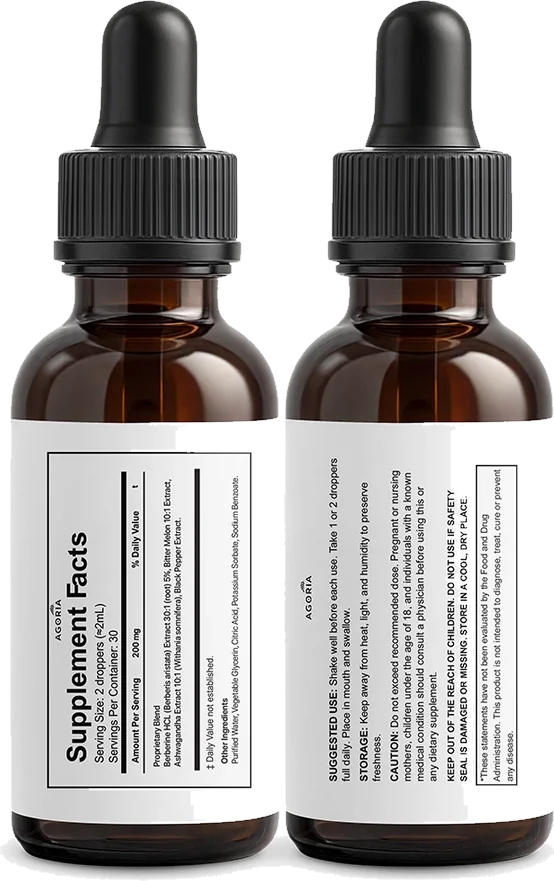
A printed ratio closes that gap. It says somebody wrote a specification, held the manufacturing to it, and was willing to put the number where a buyer could read it. Three of the four lines on this bottle carry one, which puts the label ahead of most of the shelf it sits on.
The common mistake
A ratio is a rate, not a quantity
Here is where most readings of a ratio go wrong. A ratio is a rate. It describes how concentrated a material is. It says nothing whatever about how much of that material is in the bottle.
Thirty to one is the same thirty to one whether the bottle holds one milligram of the extract or a thousand. To turn it into plant weight you need a second number — the amount of extract per serving — and multiply. With only the ratio, there is nothing to multiply, and the conversion cannot be done by anybody, including the manufacturer’s own marketing department.
The trap is that a large ratio reads like a large dose. “30:1” feels strong on a label in a way that “10:1” does not, and both feel stronger than a plain plant name. But a 30:1 extract present in a tiny amount is a small quantity of a concentrated thing, which is not the same as a lot of it. Concentration and quantity are two separate columns, and a ratio only ever fills in the first.
The other number
What the 5% is doing, and why it is different
Standardisation is a different measurement, and the two get confused constantly because they often sit on the same line.
A ratio describes what went in: how much raw material was reduced to make the extract. A standardisation describes what came out: the proportion of a named marker compound in the finished extract. When a line reads 30:1 at 5%, the first figure is about the process and the second is about the product.
The standardisation is the more controlled of the two, because it is measured in the finished material rather than inferred from what was fed in at the start. A batch of raw plant can vary in how much of the marker compound it contains; a standardised extract has been adjusted so the finished extract does not. A label printing both is telling you the process was specified and the output was checked.
It still is not an amount. Five per cent of an unpublished quantity is an unpublished quantity.
Three reasons
Why ratios do not compare across labels
The instinct on seeing 30:1 beside 10:1 is to rank them. Resist it across labels, and be careful even inside one.
The starting weight is not defined
The denominator of a ratio is the raw material, and no rule says what that material has to be. Fresh plant and dried plant differ in water content by a large margin, so a ratio calculated against fresh weight and one calculated against dried weight are not the same statement. Neither figure has to be disclosed, and neither usually is.
Different plants concentrate differently
A 10:1 extract of one plant and a 10:1 extract of another are not comparable in any useful way. The interesting compounds sit at different concentrations in different species and in different parts of the same species, so identical ratios across two plants describe two unrelated things. Ranking 30:1 above 10:1 when the plants differ is comparing nothing with nothing.
The solvent is missing
Water and ethanol pull different compounds out of the same plant, and the ratio is silent about which was used. Two manufacturers can produce two 10:1 extracts of the same herb with materially different contents, both correctly labelled.
A hierarchy
How labels handle concentration, best to worst
| What the label does | What you learn from it | How common |
|---|---|---|
| A full panel — an amount against every ingredient, with a ratio or standardisation beside it | Everything. Each line can be converted and taken to the research on it | The minority |
| A declared blend with ratios — one total, members in descending weight order, ratios printed | The size of the whole, the ranking inside it, and how concentrated each member is. Not how the total divides. GlycoEden sits here | Uncommon, and better than most |
| A declared blend without ratios — one total and a list of extracts | The size of the whole and the ranking, with no idea what strength of extract is being ranked | The usual arrangement |
| Names with no numbers — an ingredient list and a claim | The manufacturer’s intent, and nothing else | Very common in liquid products |
The jump between the third row and the second is real, and it is worth crediting when a label makes it. The jump from the second to the first is the one that changes what you can actually do with the information, and almost nothing in this category makes it.
Applied to this label
A worked example: 30:1, 10:1, 10:1 and a blank
Read the four lines of the proprietary blend in the order the panel prints them.
Berberine HCL (Berberis aristata) Extract 30:1 (root) 5%. A named species, a named plant part, a ratio and a standardisation, on one line. That is four pieces of specification where most labels print one, and it deserves to be said plainly.
Bitter Melon 10:1 Extract. A ratio, and no species and no plant part. The ratio’s own denominator is therefore unknown: ten parts of what, exactly.
Ashwagandha Extract 10:1 (Withania somnifera). A ratio and a species, no plant part.
Black Pepper Extract. Nothing. No ratio, no species, no part, no standardisation. It is the only one of the four with the concentration column left blank.
And then the arithmetic stops
Every ratio on this panel describes a concentration you cannot multiply by anything, because no per-ingredient amount is published. The only figure on the artwork is a 200 mg total shared by all four. Four extracts inside 200 mg means the average share is modest, and the descending-order rule guarantees the real split is not even — but no line tells you where the berberine ends and the bitter melon begins, so the 30:1 cannot be converted into plant weight by you, by us, or by anyone reading the same panel.
Caveats
Two things a ratio will not tell you
It will not tell you whether the ingredient works
Concentration is a manufacturing fact. It speaks to strength, not to usefulness, and a heavily concentrated extract of something with no evidence behind it is still an extract of something with no evidence behind it. Those are two separate questions and a ratio answers neither.
It will not let you match a label to a trial
Published human research on botanicals is usually run on a named preparation at a stated strength, or on dried whole herb measured in grams. An undescribed share of a 200 mg blend is neither of those units, even with a ratio attached. Anyone who converts one into the other has supplied a number nobody printed, and if you see that arithmetic done anywhere, ask where the missing figure came from.
Summary
The one-minute method
Four steps, about a minute, on any botanical label in any form. One. Read each ingredient line and note whether it carries a ratio, a standardisation, both or neither. Two. Check the same line for a species and a plant part, because a ratio without them has an unknown denominator. Three. Look for an amount against that line. If there is only a blend total, the ratio cannot be converted and you should stop rather than guess. Four. Compare ratios only within one plant on one label, never across plants and never across manufacturers.
If no line carries a ratio at all, you are finished in ten seconds, and what you have learned is that the label declined to say how concentrated anything in it is.
References
Sources for this GlycoEden post
- NIH Office of Dietary Supplements. Botanical Dietary Supplements: Background Information. ods.od.nih.gov. Accessed September 22, 2026.
- NIH Office of Dietary Supplements. Dietary Supplements: What You Need to Know. ods.od.nih.gov. Accessed September 22, 2026.
- National Center for Complementary and Integrative Health. Using Dietary Supplements Wisely. www.nccih.nih.gov. Accessed September 22, 2026.
- U.S. Food and Drug Administration. Information for Consumers on Using Dietary Supplements. www.fda.gov. Accessed September 22, 2026.
Order GlycoEden from the official page
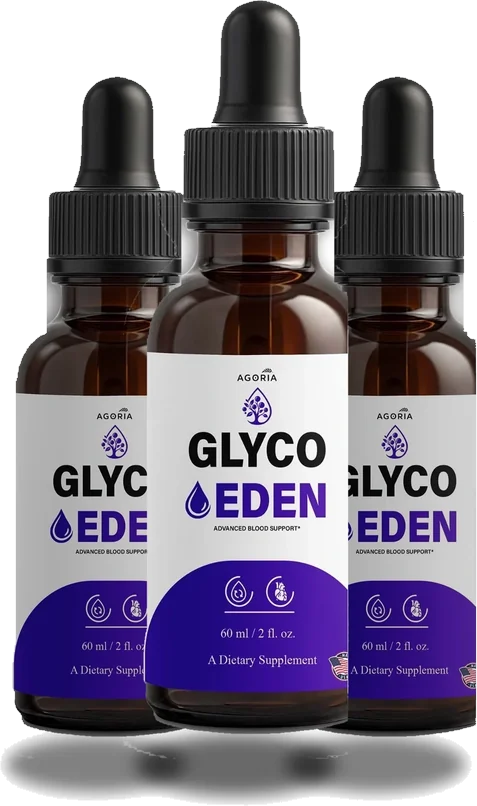
Liquid drops, 60 ml / 2 fl. oz., 30 servings at the panel’s two-dropper serving. Prices and the money-back window are printed on the listing, and the order desk handles anything after you pay. Before you pay, know that no per-ingredient amount is printed anywhere.
Price and money-back window on the listing · ships from inside the US